One number to dial
Bed bug calls across Syracuse go to one line.
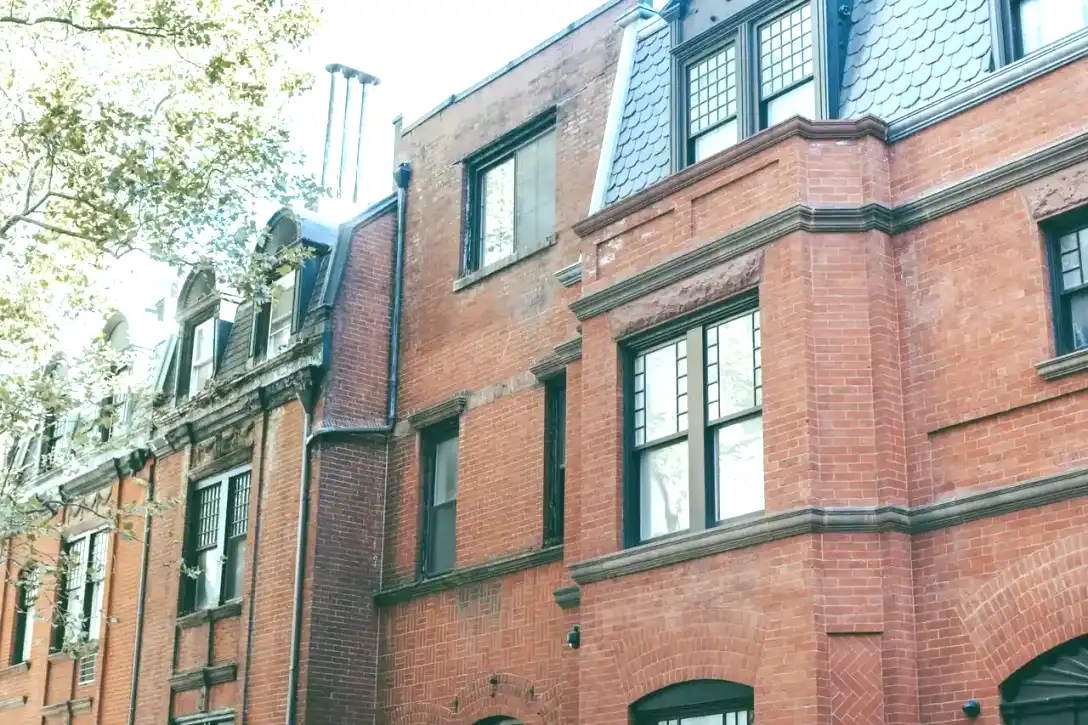
Apartment bed bug treatment in Syracuse works better when it covers more than the unit that reported the problem, since the Onondaga County Health Department notes bed bugs can find their way through walls, floors and ceilings. Renters, owners and managers anywhere in Syracuse, NY can use this referral line to reach independent local providers that take on single apartments, two-family houses and bigger buildings. In the city, roughly 58 percent of occupied homes are rentals, so neighbors deal with shared walls and joint decisions daily.
Bed bug calls across Syracuse go to one line.
Providers usually look before they price the work.
Each call reaches a provider that works in Syracuse.
Look up the firm and applicator in NYSPAD.
Apartment jobs tend to run in three stages: a close inspection, the treatment itself and later checks to confirm it worked. What the cost covers and what is extra varies by provider, so ask before agreeing. Below is a look at what goes into apartment bed bug treatment in Syracuse.
A provider generally examines the apartment with the report and may check the units flanking, over and under it, going through mattress seams, box springs, headboards, baseboards and outlet covers. Ask which units will be included and why.
The inspection points to the method. One heat session can kill adults, nymphs and eggs alike, and residual products go on acting wherever they are applied. The county health department says it will take repeated treatments, so plans often combine both.
Many providers suggest sealing each treated mattress and box spring in a zip-up cover. Bugs already inside cannot get out to feed, and the slick fabric makes new activity easy to spot. Find out whether covers are included or added as a separate item.
After treatment, the provider may leave cups under the bed legs and small monitors along the walls. What they collect over the following weeks tells everyone whether bugs are gone or still moving. Ask who checks them, on what schedule, and what follows if bugs show up.
Every apartment on the plan should get its own dated record: what the inspection found, what was applied and when the next check is due. Those notes help renters and owners alike. This site plays no part in repeat-work terms; the provider sets them, so get them on paper early.
Describe the bites, spots or bugs, and a nearby provider can suggest where to start.
In Syracuse, apartment bed bug treatment is pest control planned for shared housing: locating bed bugs, treating them and monitoring for any comeback in apartments, two-family houses, small rental buildings and rented homes, covering mattresses, box springs, furniture and the cracks by walls and outlets where the bugs shelter. Your matched provider generally begins in the unit that reported bugs plus its neighbors, then selects heat, steam, residual treatments or some combination based on the extent of the spread. Interceptor cups and monitors set out later reveal if bugs are gone. The Onondaga County Health Department recommends hiring a licensed pest control operator with bed bug experience.
Of Syracuse's housing stock, 54.6 percent sits in structures holding two or more units, and 27.9 percent sits in structures holding five or more. The county health department notes bed bugs travel in bags and luggage and can even find their way through walls, floors and ceilings. One example: a resident spots bites or small dark specks, and some weeks later another neighbor notices the same signs. Involving the owner or manager early and inspecting quickly helps stop a single unit's problem from growing into a whole-building job.
Phoning the referral line gets you an independent provider nearby. It helps to know the address or ZIP code, the number of apartments with signs, what people have actually seen and when the first bites appeared. Using those details, the provider can decide if a single unit or a broader check fits and suggest a time.
The reported apartment is checked first, usually followed by the ones next to it: headboards, mattress seams, box springs, baseboards and outlet plates. Tenants can assist with dated photos and notes. The more units on the list, the longer it takes, and the findings decide which apartments go on the treatment plan.
Once the scope is clear, the provider proposes a method for each unit and a written quote to match. Expect a heat day and a chemical visit to differ in length, with extra time for treated surfaces to dry after chemical work. Where several apartments are involved, the owner or manager normally approves the plan first.
On treatment day, residents handle clothes, bedding and belongings per the prep sheet. The provider then works through the unit: beds and box springs, steam along furniture seams and baseboards, residual product and dust where bugs shelter, and zip-up covers on the beds. Heat jobs instead bring each room to a lethal temperature and keep it there.
The job is not finished when the treatment day ends. A later visit reads the cups and monitors, deals with any live bugs and repeats work where needed. Once a check turns up nothing, have the provider record that result in writing for the unit file.
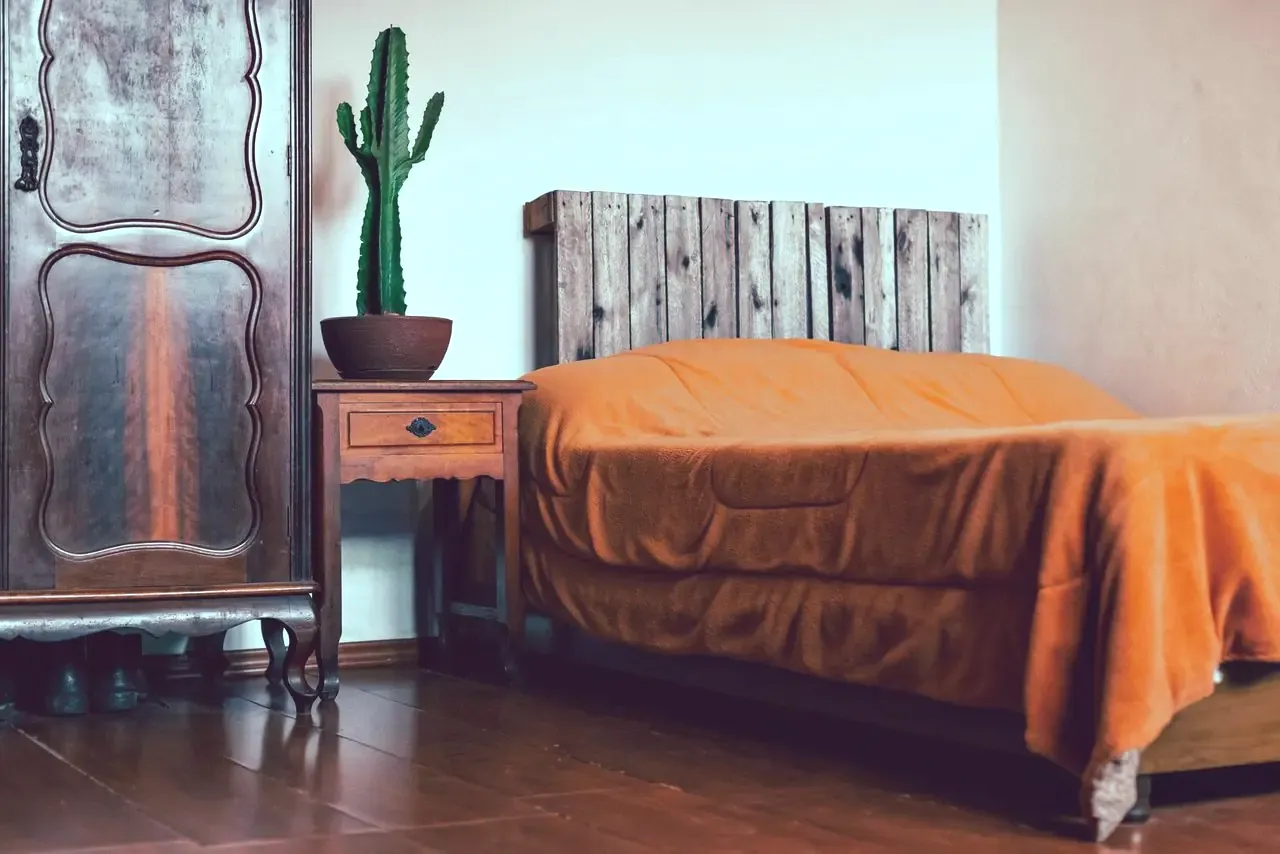
Using a strong flashlight and a magnifier, the provider can spot eggs, shed skins and small nymphs in seams, staples and corners before any treatment begins in the apartment.
A handled mirror, a thin probe and a scraper card reach behind headboards, inside outlet openings and into frame cracks, so hidden activity can be confirmed by eye.
Heaters and fans push a room past the point bed bugs can survive, while sensors placed in the coolest corners show that heat has spread through the whole space.
Moved slowly along seams and joints, a steamer heats fabric and wood enough to kill bugs and eggs where they sit. It works on contact only, so providers usually add residual product for places steam cannot reach.
A vacuum with a HEPA filter lifts bugs, eggs and cast skins out of carpet edges and crevices. Its contents are sealed in a bag and carried out of the apartment at once.
A licensed applicator uses a narrow-tip sprayer to place product along baseboards, in cracks and on furniture joints. Residual kinds stay active for a while on whatever surfaces they cover.
Cups under the bed legs and small monitors along the walls trap surviving bugs and show whether the treatment held. Ask when the provider will read them.
Heat treatment fills the room or apartment with hot, moving air until every corner reaches a temperature bed bugs and eggs cannot survive, then holds it for hours. It often suits heavy cases and vacant units. Residents stay out for the day; ask how long exactly.
Product that stays active after the visit goes where bugs travel and hide: baseboard gaps, cracks in frames and the hollow spaces behind walls, where dust is used. Bugs that hatch later or cross those surfaces pick it up. The county health department advises hiring a licensed pest control operator with bed bug experience for this work.
Live bugs and debris are lifted out with a HEPA vacuum so they are not scattered, and steam then kills any bugs and eggs it touches in furniture joints and mattress seams. Doing both first means residual product lands on clean surfaces where it can work.
Zippered encasements over the mattress and box spring trap any bugs still inside and stop new ones from settling there. Cups sit beneath each bed leg and monitors line the walls, letting provider, tenant and manager each check whether the treatment worked.

The tenant ought to give the owner or manager written notice, backed by dated photos and notes. A provider generally examines that unit plus the ones next to, over and under it. Once bugs are confirmed, the provider goes over the choices, the prep sheet and when return visits happen. Tenants can also look the property up on the city's Look Before You Rent map, which shows Rental Registry status and code violations. Ask up front, as timing and results differ.
Turnover is a good moment to act: with no furniture or clothes in the way, a vacant apartment is quicker to inspect and treat. Heat often suits an empty unit, and the apartments on either side deserve a check in case bugs moved over. File the inspection and treatment records with the unit's other papers before the next lease begins.
When reports cluster like this, treating one door at a time tends to chase bugs around the building. A provider will usually want to inspect the surrounding apartments and treat every affected unit in one round, often with heat and residual product, then leave monitors in each. Ask for one quote for the group and a record per unit.
A property-wide inspection comes first, so the plan reflects every floor rather than the loudest complaint. The provider can advise on timing visits around current tenants and on which records to keep. Syracuse rentals also need a Rental Registry Certificate, which requires an interior and exterior inspection by Code Enforcement.
Syracuse has 146,384 residents and 67,601 housing units. Roughly 58.4 percent of occupied homes are rentals, 54.6 percent of units sit in structures of two or more units, and 27.9 percent in structures of five or more. The median home was built in 1948, and about two in three units date from before 1960. The Onondaga County Health Department notes bed bugs travel in bags and luggage and can find their way through walls, floors and ceilings, which is why providers usually check neighboring units early. New York's Real Property Law Sec. 235-j says a landlord who learns of a bed bug infestation must give written notice within 72 hours to tenants in the units above, below and next to it, without naming the infested unit or tenant. Syracuse's Property Conservation Code Sec. 27-74 says buildings must be kept free of insect infestation, and rentals need a Rental Registry Certificate, which requires an interior and exterior inspection by Code Enforcement. Nothing on this site is legal advice.
Tipp Hill is an official City of Syracuse neighborhood in ZIP 13204. If you rent a house or small building there, say on the call whether walls are shared.
Strathmore is an official City of Syracuse neighborhood in ZIP 13207. In a rented house or two-family home, the provider generally begins with the bedrooms and looks over any used furniture.
Westcott and University Hill are official city neighborhoods in 13210, as is Outer Comstock. Renters here can call the same line at any time of year; mention the building type and how many units it has.
Both are official city neighborhoods in the Syracuse part of 13224. Give the provider your neighborhood, the type of building and how many units share its walls.
The county says bed bugs can work their way through walls, floors and ceilings. Providers commonly check surrounding units and treat the gaps that connect them.
Bed bugs travel in bags and luggage, the county notes, and used couches and mattresses carry them too. When a unit turns over, have it checked before the next tenant moves in.
Bed bugs live where people sleep, so the problem does not pause for the weather. Waiting only gives them time to spread to the next room or apartment.
A couch in the lobby or a folding table in the laundry room can pass bugs to residents who never had them. Ask that common areas be part of the inspection and the plan.
Two tenants mention bites in the same month. The owner sprays one apartment twice with cans from the store, yet a third tenant starts reporting bites a few weeks later.
The provider checks each unit close to the first reports, treats those where bugs are confirmed and schedules return checks. Store foggers are dropped, since they never reach where bugs hide.
After that: Cups beneath beds and monitors in shared areas spot new activity early. The owner keeps a dated log and phones the provider when a new report comes in.
Bed bugs show up in a mattress and box spring one household bought used. Nobody in the other unit has been bitten yet, but a wall and pipes connect them.
Both units get inspected, since bugs can move through walls, floors and ceilings. Treatment covers whichever side shows activity, possibly both, and each household follows its own prep sheet.
After that: Zip-up covers go on both beds and cups under every leg, so a returning bug shows up fast. Both households agree to inspect any secondhand furniture outdoors before bringing it in.
Complaints keep coming from the same corner of the building, a few weeks apart. Each time, only the apartment that called was treated.
This time the provider checks the whole corner, top to bottom, and finds activity in two units that never complained. All of them are treated in one round with monitors left behind, and the area is only called clear after return checks agree.
After that: A calendar reminder keeps the cups read every couple of weeks. Any unit between tenants is looked at before keys change hands, and the records stay in one file.
Shared buildings give bed bugs more ways to travel and more people to bite. These are common problems in Syracuse apartments and the way providers usually approach each one.
The county health department says bed bugs can find their way through walls, floors and ceilings, so an untreated unit can keep resupplying the ones around it. The fix is to treat the routes as well as the rooms: providers may check neighboring apartments during the initial visit and apply dust to outlet boxes and gaps in walls, instead of tracking bugs one door at a time.
Cans and foggers from the store reach only the bugs in plain sight; eggs and hidden adults survive. The county's guidance is blunt: it will take repeated treatments, and there is no one-time quick fix. Providers generally use heat or steam to hit all life stages, then apply residual products and return for a check. Tell them what was sprayed and where.
One apartment left untreated can reinfest the units around it. Providers generally give out prep sheets and arrange entry times with managers, while owners and tenants should both hold on to dated, written notes on each notice and access attempt. The city code splits responsibility depending on whether other units are infested; check the code or call Code Enforcement. This site gives no legal advice.
A bug riding a laundry basket or a lobby chair into a new apartment can start a fresh case. Providers may add laundry rooms, hallways and shared seating to the inspection, treating those spots with steam plus residual product. Under Syracuse Property Conservation Code Sec. 27-74, buildings must be kept free of insect infestation.
Quoted after an inspection, by each provider
No figures appear here: the provider you are matched with sets what apartment bed bug treatment in Syracuse costs, generally after an inspection. Three things weigh most: the method, the number of apartments in the plan and the reach of the infestation. Treating a group of units in one visit is often quoted on a different basis from a single apartment. Before work starts, get the quote on paper and confirm which return visits and repeat-work terms it includes.
Two quotes are only comparable when they cover the same things. Look for next-door inspections, a plan for eggs as well as adults, covers, monitors and return trips. A one-apartment quote that leaves out the neighbors may cost more in the end.
Treating a single apartment is a different job from treating a floor or a whole building. Grouping units into one round can change the cost per unit, so ask the provider how a multi-unit plan is quoted once the inspection is done.
A heat job ties up equipment and staff for most of a day per unit, while chemical work is quicker per visit but often needs a return trip. Heavy infestations frequently get both. Ask for each method to appear as its own line on the quote so you can see what drives the total.
Bugs kept to a single bed mean less work than bugs spread through chairs, closets and several rooms. The further they have gone, the more likely an extra round becomes.
Older buildings with many shared walls and pipe openings give bugs more routes, and each one may need dust or sealing. How large and cluttered the apartment is also affects visit length.
Find out how many return checks the quote covers and what an extra one would cost. This site sets no terms, so ask the provider to put them in writing.
In New York, DEC certifies pesticide applicators and registers pest control businesses; check both the company and the applicator in DEC's NYSPAD lookup. Real Property Law Sec. 235-j says a landlord who learns of a bed bug infestation must give written notice within 72 hours to tenants in the units above, below and next to it, without naming the infested unit or tenant. Syracuse Property Conservation Code Sec. 27-74 says buildings must be kept free of insect infestation, and the city code splits responsibility depending on whether other units are infested; check the code or call Code Enforcement. This site draws no legal conclusions.

Two tenants in the same small building mention bites within a month, and the owner wants to act before it spreads. The provider can go through each apartment and treat the ones with live bugs, then schedule return checks. Keeping a dated copy of every tenant notice and a written report per unit makes later questions easier to answer. Access and prep affect results.
A couple renting an apartment finds bed bugs on their children's mattress and wonders whether the neighbors have them too. They put it in writing to the landlord, attach dated photos and keep the prep sheet handy for treatment day. The provider decides whether neighboring units get checked, and the chosen method sets how long the family must stay away.
A tenant keeps hearing about new bed bug reports from neighbors and wonders what to do. Checking more widely can turn up bugs in units no one reported, and the provider can then treat that section of the building as one, placing monitors in every unit. The tenant can ask the manager how return visits are set and what records come with them.
Notice and upkeep. Real Property Law 235-j says a landlord who learns of a bed bug infestation must give written notice within 72 hours to tenants in the units above, below and next to it, without naming the infested unit or tenant. City Sec. 27-74 says buildings must be kept free of insect infestation. The city code splits responsibility depending on whether other units are infested; check the code or call Code Enforcement.
Generally by checking the apartment that reported bugs plus its neighbors, then treating with heat, steam, residual sprays and dust where needed. The county health department notes bed bugs can find their way through walls, floors and ceilings and says it will take repeated treatments, so covers, cups and return visits normally follow.
Sometimes, if the inspection finds bugs in that apartment alone. Providers generally like to inspect adjoining units on every side, overhead and underneath first, since the county notes bed bugs can travel through walls, floors and ceilings and missed neighbors are a frequent reason they come back. Should neighboring units have signs, the provider will likely suggest including them in the plan.
That varies with the method and the count of units involved. A chemical visit is mostly application plus time for surfaces to dry; a heat day lasts longer because each room has to reach and hold its target temperature. A building-wide job may run across several days. Find out how long residents will need to stay away and when return visits are scheduled.
Have a question this page skips? A local provider reached through the referral line can talk it over with you.
Ask the provider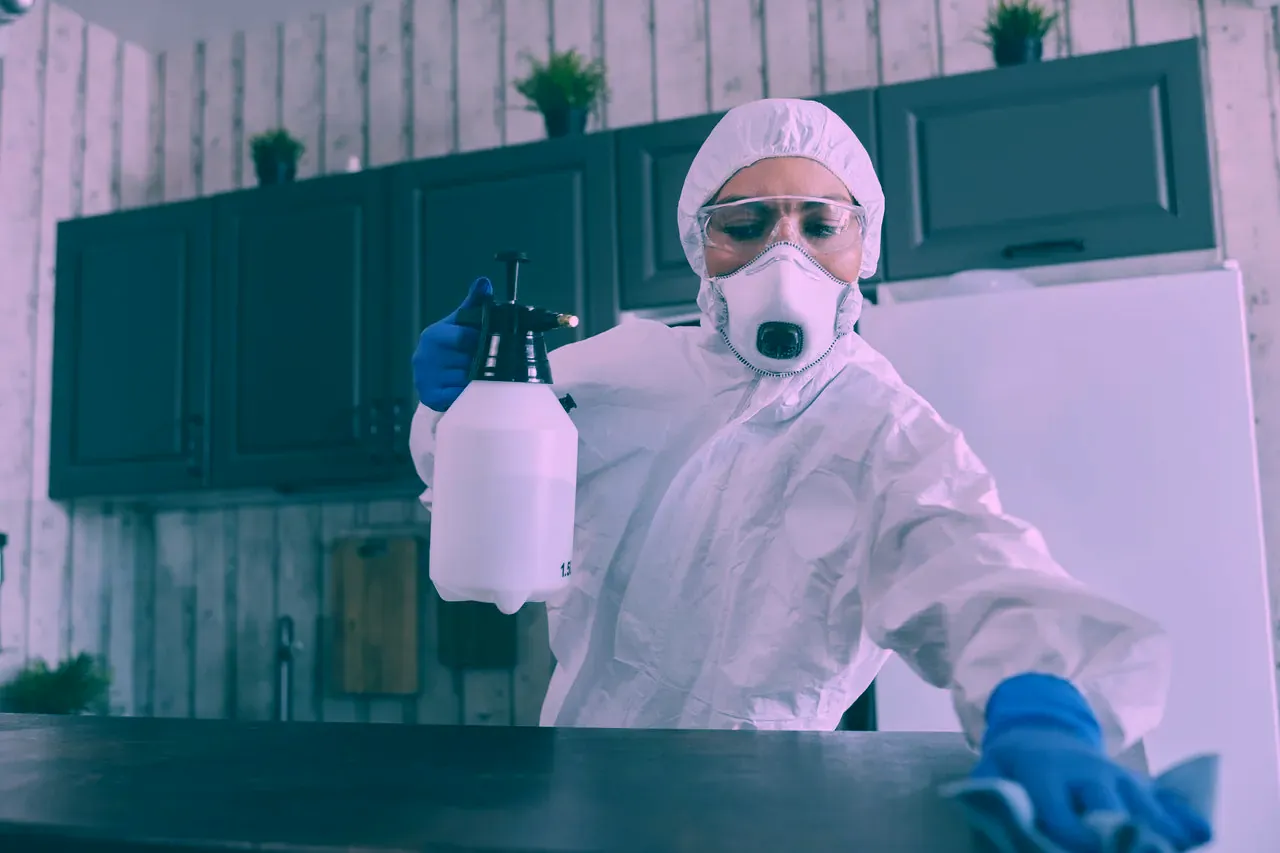
Every apartment plan begins with a careful look. Unit by unit, the provider goes through baseboards, outlet plates, box springs and mattress seams, recording where bugs are found. Ask for that record in writing, unit by unit, so you know exactly where treatment is needed.
View service
Heat treatment can wipe out bed bugs and eggs alike in a single visit by heating the whole apartment, an approach suited to heavy infestations and empty units. Residents must stay out while the rooms are heated, so ask how long and how to prepare.
View service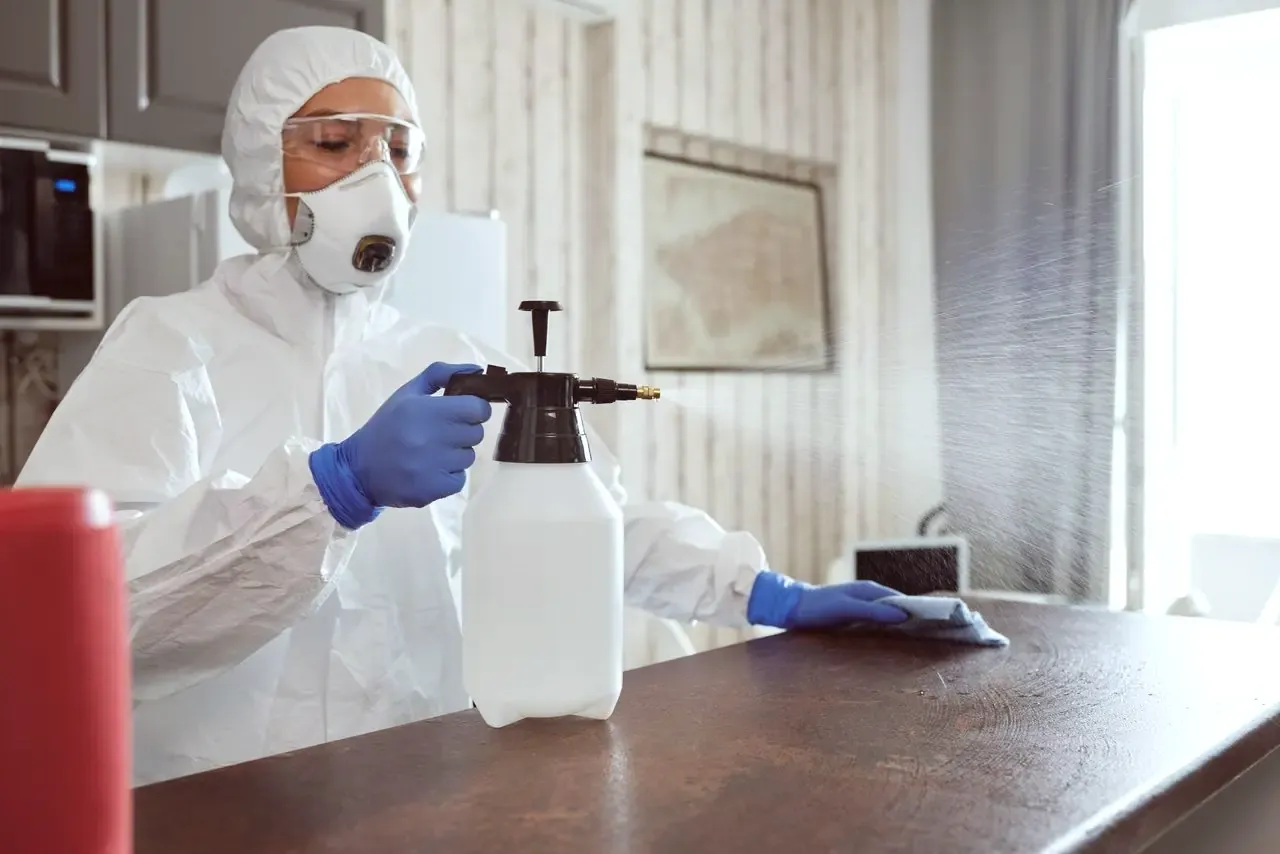
A licensed applicator places residual product on baseboards, cracks and furniture, where it keeps working after the visit. Chemical work can suit light or moderate infestations, and for heavier ones it is combined with heat. The county health department recommends a licensed pest control operator with bed bug experience.
View serviceReturn visits answer the question that matters: is the infestation over, or only quieter for a few weeks? The provider reads the cups and monitors, treats anything still active and tells you whether another trip makes sense.
View serviceYour call passes through a call-tracking service, may be recorded, and is then put through to an independent provider that works in Syracuse. Calls are connected 7 a.m. to 1 a.m. Eastern Time (8 a.m. to 2 a.m. during daylight saving time). Outside those hours you can leave details for a call back. The provider arranges the inspection and sets the price.