One number to dial
Bed bug calls across Syracuse go to one line.

Bed bug chemical treatment in Syracuse, NY means a licensed applicator works pesticide into the narrow places where bed bugs rest after feeding: the piping on a mattress, the corners of a bed frame, the crack where baseboard meets floor and the hollow behind a switch plate. Work commonly covers mattresses, box springs, frames, upholstered seating and baseboards in houses, two-family homes and apartment buildings across the city. Fresh itchy welts at breakfast, little rust-colored marks on a pillowcase or one flat brown insect along a seam each justify a call. Through the referral line you reach an independent local provider, who looks things over first, lays out the plan and schedules any repeat trips.
Bed bug calls across Syracuse go to one line.
Providers usually look before they price the work.
Each call reaches a provider that works in Syracuse.
Look up the firm and applicator in NYSPAD.
A chemical approach to bed bugs is a sequence of visits, not one pass with a sprayer. These are the parts a provider commonly builds in, plus the extras worth raising when a whole house or building is involved.
A provider generally starts by checking bedrooms, couches, recliners and closets. Knowing how far the problem really reaches keeps product out of rooms that do not need it and makes sure a hiding place behind a dresser gets found.
Contact and residual materials go into mattress piping, the edges of the box spring, corners of the bed frame, cracks along baseboards and chair joints. Ask the provider what goes into each room, why it was picked and how it is put down.
A spray that kills adults can leave eggs untouched. Plans therefore depend on residual product left in seams and crevices, where newly hatched nymphs pick it up, and some providers also use an insect growth regulator. Ask what yours contains and why.
Dust usually goes into wall voids and the hollow behind outlet covers, and interceptor cups are placed under every bed leg. Whatever the cups hold tells the provider what to look at during the next visit.
Nearly every chemical plan builds in a follow-up trip, frequently some two weeks after visit one. Ask what number of trips the quote covers and the next step if bugs return later.
Describe the bites, spots or bugs, and a nearby provider can suggest where to start.
In Syracuse, chemical bed bug treatment means a licensed applicator using pesticide, matching contact products with residual ones and, in many plans, a dust, so the bugs moving around today die along with those that emerge from eggs later. Most providers start with a careful check of the mattress, box spring, frame, headboard, nightstands and baseboards, noting every place where live bugs, eggs or dark spotting appear. Product then goes into the seams, crevices and gaps where bed bugs shelter. Wall voids and outlet boxes may receive dust. Around two weeks on, the provider usually comes back, because eggs that survived will have hatched by then and the young bugs can be treated before they breed.
In Syracuse bed bugs stay active indoors through all twelve months, so holding off until the season turns gains nothing. According to the Onondaga County Health Department, they ride along in bags and luggage and may even pass through walls, floors and ceilings, a real concern in a city where about 58 percent of occupied homes are rentals and over half of all housing units sit in structures holding two or more units. Common situations include a rented home in Tipp Hill, a house in Strathmore or an apartment in 13203 or 13210. The county is plain about the rest: "It will take repeated treatments. There is no one-time quick fix." This page covers how chemical work runs and what to ask.

The provider works through each room, beds, sofas and baseboards first, hunting for live insects, eggs, shed skins and dark spotting in places a fast look would skip. What turns up shows how far the bugs have reached, which rooms call for treatment and whether a neighboring unit deserves a look.
Before treatment day you should receive a written prep sheet. Common items: launder bedding and clothing and tumble them hot, bag and seal clean items, empty closet floors and shift the bed out from the wall. Leave your things in the room and the mattress in place until the provider has inspected.
Contact and residual products go where the inspection found bugs or likely shelter: mattress seams and buttons, the underside of the box spring, frame corners, gaps under baseboards and chair joints. A growth regulator may be added. Find out how long the job will run and when it is okay to return.
Dust can be puffed into wall voids, behind switch and outlet plates and into gaps a liquid will not reach, and cups go under each bed leg. Any bugs caught in them reveal whether something survived round one, so the next step is based on what was actually found.
The provider generally comes back, often about two weeks later, to empty and read the cups, treat any spot that is still active and check seams for young nymphs. Before you book, ask whether that visit is in the price and how later sightings are handled.

A narrow-tip sprayer puts product into the seam, joint or crack where bugs shelter, keeping it off open fabric and away from the surfaces where people sleep.
Close inspection relies on simple gear: a bright light, a magnifier and a putty knife or card for prying into frame joints, screw holes and the stapled edge of a box spring, where eggs collect.
An inspection mirror on a handle shows the back of a headboard, the underside of a drawer and the inside of an outlet box without taking anything apart.
These cups sit under each bed leg and trap bugs climbing up to feed or back down to hide. They give the provider proof for the next visit and give you a way to keep watch.
A HEPA vacuum removes visible bugs, eggs and debris from seams first. Steam passed slowly along mattress edges and furniture joints can kill eggs a spray may miss.
Rather than betting on one product, an IPM plan uses several tools in turn: a thorough look, less clutter, product in the right cracks, and cups to see what is left.
Bed bugs in some homes shrug off one family of products, which is why a provider may switch to a different class or use two together. Ask what was chosen and why.
An insect growth regulator placed where bugs shelter interrupts development, so nymphs struggle to become breeding adults. It covers the days while eggs are still hatching.
A zip-up cover turns the mattress and box spring into a sealed unit: bugs inside cannot get out to feed, and the smooth fabric is easy to check. Ask how long to keep it on.

Expect the provider to look over that apartment first, then treat the bedroom and sitting area with contact and residual products and put dust in wall gaps. Entry for the return visit is usually set up with the manager, and written notes help the rental file. The county says bed bugs can travel through walls, floors and ceilings, so adjoining units may need a look.
The provider would probably treat the spare bed and frame plus the baseboard near it, and then put cups beneath the legs. The other bedrooms get a look for spread. When only the one room shows activity, the job and the number of rooms treated can stay small.
Find out if the couch can be handled in place, with product and dust pressed into its seams, cushions and frame, plus monitors placed around the living room. Hauling it down a hallway or out to the curb can scatter bugs along the way. The provider can say whether the piece is worth keeping.
Evening or weekend work is worth raising on the call, along with what will be applied and how long each treated room stays closed. File the provider's notes with the business records and set the second visit for a slow day. People return to the room only when the provider clears it.
Syracuse housing affects how chemical work is planned. Syracuse counts 146,384 residents and 67,601 housing units, with a median construction year of 1948. About two in three units, 66.4 percent, went up before 1960 and 85.5 percent before 1980, so many rooms have had decades to open gaps along baseboards, trim and outlets. In older rooms like these, a provider may use dust in wall voids together with sprays. Roughly 58.4 percent of occupied homes are rentals, while 54.6 percent of units sit in structures holding two or more and 27.9 percent in structures with five or more. Since the Onondaga County Health Department says bed bugs can pass through walls, floors and ceilings, providers often check attached units too, not just the unit that placed the call. Here, bed bugs stay active indoors all year long. Bed bug treatment needs no permit from the city. Before treatment starts, ask for the provider's DEC business registration and the applicator's certification number, and check both in DEC's NYSPAD lookup. Next, phone the referral line for a connection to an independent local provider.
Tipp Hill is an official City of Syracuse neighborhood in ZIP 13204 on the west side. With so much of the city's housing built before 1960, dust in wall voids is a common addition.
Strathmore is an official City of Syracuse neighborhood in ZIP 13207 on the south side. If bugs arrive in luggage or on a used chair, a provider can generally treat that item in place and monitor it.
Westcott, University Hill and Outer Comstock are official city neighborhoods in 13210. Where units share walls, a provider may check next door and treat more than one apartment.
Hawley-Green and Sedgwick are official city neighborhoods in 13203, as are Lincoln Hill and Prospect Hill. Providers serve houses and rentals here and inspect adjoining rooms before widening a plan.
Across Syracuse, 54.6 percent of housing units sit in structures holding two or more units. Bugs can follow shared walls and pipe openings, so ask whether the attached units will be inspected.
Older rooms usually offer more cracks, loose trim and baseboard gaps where bed bugs hide. Providers reach those spaces with dust and narrow-tip sprayers; the median home dates from 1948.
The county health department says bed bugs travel in bags and luggage. A secondhand chair or couch can carry them too, so providers often treat it in place and may suggest encasements.
Bed bugs stay close to where people sleep, and warm indoor rooms let them keep feeding all year. Waiting for the weather to change does nothing, so a February call is handled like an August one.
Example: a tenant puts up with bites for several weeks before calling. Live bugs turn up in the mattress piping, the box spring and a nightstand, plus spotting beside a wall shared with the neighbor.
The provider may handle both apartments in a single round, placing residual product along seams and dust inside the shared wall. The cups are read at the return visit, and what they hold shapes any further trips.
After that: Keep the mattress and box spring zipped in their encasements for the full period advised. Check the cups weekly in the early going and report anything in them to the provider without delay.
Example: houseguests leave, and a few days later bugs turn up in the spare room. Signs appear on the bed frame and the baseboard, and the remaining bedrooms still call for a close check.
Treatment can center on that room while each bedroom gets checked. If the return visit finds nothing elsewhere, the job stays small, since the number of rooms treated drives the cost.
After that: Vacuum seams and baseboards often and keep bedding off the floor. Once later guests head out, pull off the bedding and sweep a flashlight over the frame and mattress seams in the next few days.
Example: a used couch is brought home from a sale and within days bugs appear along its seams. An armchair a few feet away may be the next place they go.
Each piece may be handled where it stands, using residual product plus dust in the seams and frame, with cups or monitors placed close by. The return visit shows what is still active.
After that: Keep the monitors in place for the full time the provider recommends. Before another used piece comes inside, check it outdoors with a flashlight, paying close attention to seams, staples and joints.
Bed bugs have nothing to do with how clean a home is, and scrubbing will not end them. They need treatment and keep spreading while you wait. Common situations in Syracuse houses and apartments include these.
Waking up to new welts each day points to overnight feeding, but bites on their own cannot confirm bed bugs: people react in different ways, and other insects bite too. Look for live bugs, cast skins or dark spots along seams. Once bed bugs are confirmed, each week of delay lets more eggs hatch. The provider pins down the cause before treating, and leftover residual product continues to hit new nymphs through to the return visit.
In apartment buildings and two-family houses, bed bugs may travel inside wall voids and along gaps where pipes pass through. The Onondaga County Health Department says they can find their way through walls, floors and ceilings. Treat one unit and leave the next one alone, and the bugs may simply come back. Usually a provider treats the affected unit and checks the ones over, under and next to it, so ask if the owner or manager can arrange entry.
A secondhand couch, mattress or dresser gives bed bugs an easy way into a Syracuse home, and the county notes they also travel in bags and luggage. After they get in, they squeeze into seams, the zippers on cushions and frame joints where a fast spray cannot reach. The provider can generally treat the item in place, pressing dust and product into those hiding spots, and set monitors close by. If the bed is affected, ask about zippered covers for mattress and box spring.
A store-bought spray only hits the bugs it touches directly. Eggs and bugs tucked into cracks survive, and foggers never reach seams. Weeks later the bites return, sometimes in other rooms. The county health department recommends a licensed pest control operator with bed bug experience, who puts product where bugs live and comes back to check. Say what you used and where.
Quoted by each provider after the inspection, by rooms and visits
No figures appear on this site. For bed bug chemical treatment in Syracuse, NY, the provider names a cost only after inspecting the home. What moves it: how big the house or apartment is, the count of rooms with bugs, the length of time the problem has been growing, whether heat or a different method is included, and how many return trips the plan calls for. Get the complete plan and its total in writing before anything is applied, listing what the first visit and each later one cover. When one quote is far below another, ask what its return visits cost, since the job is often finished on those later trips.
Before you agree, learn the number of visits included, the products planned and the terms if bugs return. Do not throw out the mattress yet; plenty can be treated, then sealed in a cover.
A single bedroom is a much smaller job than a whole house. Every added room means more inspection time, more product and more labor, so a three-bedroom house usually runs higher than a one-bedroom or studio unit.
A small number of bugs in one bed is quicker work than an infestation across chairs, closets and baseboards. Heavier cases usually need more product and an extra visit.
Heaps of clothing, boxes and bags shelter bugs and slow each step. A room with clear floors along the walls and the bed pulled out is quicker to check and treat, which can lower the total.
Getting into multiple apartments, inspecting every one and treating the walls between them all add time. Ask the provider to price the full building plan so the owner sees the whole scope first.
Separate line items often include heat for a room, zip-up covers and extra monitors. Have the provider explain why each is recommended and which ones are truly optional for you.
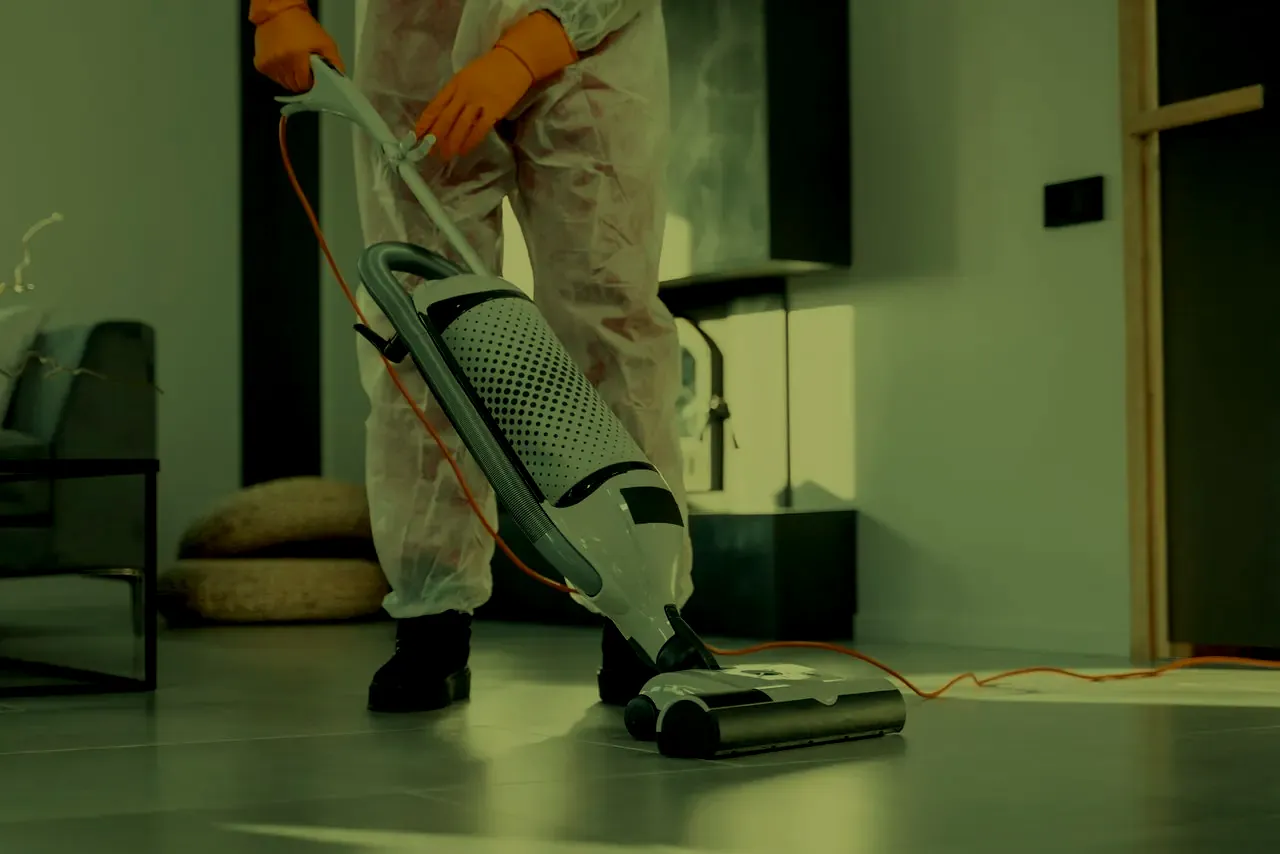
This site is a referral service. It does no pest control work itself and makes no promises about any provider. In New York, the Department of Environmental Conservation (DEC) certifies individual pesticide applicators and registers the businesses that offer pest control for hire. Before treatment starts, ask for the provider's DEC business registration and the applicator's certification number, and check both in DEC's NYSPAD lookup, which has one search for businesses and another for applicators and technicians. The Onondaga County Health Department recommends a licensed pest control operator with bed bug experience. Find out which products are planned, where each will go and when people and pets can come back.

A couple renting an apartment notice tiny brown bugs at the joints of their child's bed frame and have concerns about product near the children. Start by informing the landlord in writing. After that, the provider can check each bedroom, explain where each product will go and set a firm time before kids and pets come back. A second visit is normal.
The owner of a small building hears about bites from tenants in two apartments within a week. Instead of having one bedroom sprayed, the owner can ask the provider to inspect both units and their neighbors, give out prep sheets and schedule entry. A dated report for each unit and a schedule of return visits keep all parties in the loop.
A renter bought a couch secondhand, found bugs in it and now wants it and the mattress on the curb today. Carrying them through shared halls can spread bugs, so report it in writing first, leave both where they are and let the provider look. Seams and frames are often treatable.
It can be, when a licensed applicator puts product only into targeted cracks and seams and the household follows the provider's re-entry time. The Onondaga County Health Department recommends a licensed pest control operator with bed bug experience, and in New York DEC certifies the people who apply pesticides. Ask which products are planned and where each goes. Before the visit, bring up infants, allergies or health issues, and keep kids and pets away until the provider clears their return.
Return only once the provider gives the go-ahead, because the wait hinges on what was used, how much went down and how long treated surfaces need to dry. Ask whether opening windows or running a fan afterward helps, and where any dust was placed behind cover plates. Before the provider leaves, get the return time written into the visit notes, and keep kids and pets away until that point.
Not reliably. Many products are much stronger against adults and nymphs than against eggs, so a chemical plan relies on residual product in cracks and seams to catch nymphs once they emerge. A return visit, often near the two-week mark, handles survivors. The county says it will take repeated treatments, so ask how your visits line up with the hatch.
That turns on the product, the type of surface and how much the spot gets cleaned, so the provider should answer it. The scheduled return trip is timed for egg hatching. After that, leave interceptor cups beneath each bed leg so any return is spotted early. Since the county says bed bugs ride along in bags and luggage, look at the cups weekly after travel, a move or a used furniture purchase.
Have a question this page skips? A local provider reached through the referral line can talk it over with you.
Ask the provider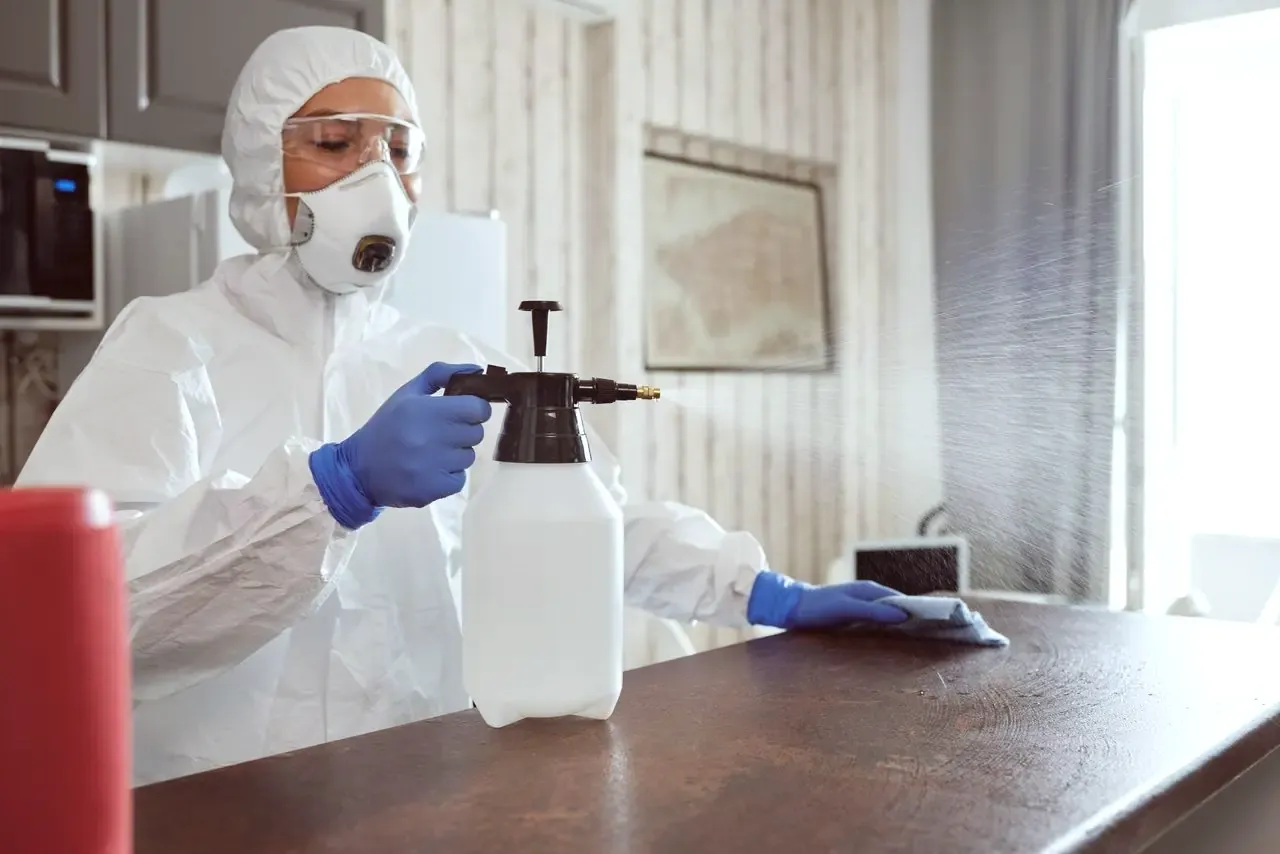
Ahead of any application, the provider should make sure the insects really are bed bugs and chart where they are hiding. That check settles which rooms get treated and which can be skipped, in Syracuse houses and apartments both. If you are not sure what is biting, start here.
View service
Heat work warms one room or a full apartment to a level that kills bed bugs at all life stages, eggs too. It suits a room with heavy activity or a piece of furniture that should not be sprayed, and some plans heat a few rooms while others get product. The inspection decides which.
View service
Shared buildings need their own plan. Providers typically treat the unit that reported the problem, check the ones over, under and next to it, and coordinate entry with the owner or manager so bugs stop moving from one neighbor to the next. About 58 percent of Syracuse's occupied homes are rented.
View service
Many jobs actually wrap up at the follow-up visit. The provider reads the cups, treats any spot that still shows bugs and checks seams for young nymphs. Before agreeing to a chemical plan, ask if follow-ups are part of it.
View serviceYour call passes through a call-tracking service, may be recorded, and is then put through to an independent provider that works in Syracuse. Calls are connected 7 a.m. to 1 a.m. Eastern Time (8 a.m. to 2 a.m. during daylight saving time). Outside those hours you can leave details for a call back. The provider arranges the inspection and sets the price.