One number to dial
Bed bug calls across Syracuse go to one line.

Bed bug heat treatment in Syracuse tends to come up when bugs have moved past one bed into a whole bedroom, an apartment or several rooms of a house. Heaters and fans go in, and the provider raises the affected rooms past the point bed bugs can tolerate, holding that heat until mattresses, couches, box springs and bed frames are warm right through, not merely the air around them. Calls placed through this line reach an independent provider nearby, who may begin with an inspection and then say if heat is right for your home.
Bed bug calls across Syracuse go to one line.
Providers usually look before they price the work.
Each call reaches a provider that works in Syracuse.
Look up the firm and applicator in NYSPAD.
Heat work is usually scoped from what the inspection found. Before heaters arrive, ask for the plan in plain terms: which rooms are heated, how results are checked afterward and whether a return visit is part of it. Mattress encasements and residual product may be billed separately.
The provider raises each treated room to its chosen target temperature and keeps it there for as long as it decides. Equipment usually stays on until probes in the slowest-warming corners show the same heat as the center of the room.
Mattresses and box springs are favorite hiding places, so providers may stand them on edge or space them apart so warm air gets around them, then go over seams and piping once heating is done. Ask if encasement covers come with the job; a cover can trap a bug that survived.
Providers usually pull beds off the walls, open closets and space out dressers, nightstands and sofa frames so warm air moves freely. They also look at outlet plates and baseboard gaps, the tight cracks bed bugs favor and that heat or sprays find hardest to reach.
Once the space cools, providers often recheck the original problem spots and leave monitors under the beds or next to baseboards. Ask what you receive in writing afterward, for example a list of the rooms heated and the temperature readings taken during the job.
A second visit some weeks after the heat is common: the provider reads the monitors and looks over the treated rooms again. Ask when that check happens, whether the quoted cost already includes it and what follows if bugs are still alive by then.
Describe the bites, spots or bugs, and a nearby provider can suggest where to start.
In Syracuse, heat treatment for bed bugs involves raising an infested room or apartment to a high temperature that is held for hours, giving it time to reach the bugs and their eggs wherever they shelter. Electric heaters create the heat, fans move it through the space, and probes show whether mattresses, box springs, the joints of furniture and the baseboards are fully heated inside, not only the room air. Ask the provider what temperature they aim for, how long they hold it and how they measure both.
Syracuse housing is part of why the method matters. Half the city's homes date from 1948 or earlier, and 54.6 percent of its housing units belong to buildings holding two or more units, meaning lots of households have walls, floors and ceilings in common that bed bugs can cross, per the Onondaga County Health Department. Spraying inside a single apartment may leave eggs untouched behind outlet plates and within bed frames. Ask the provider whether neighboring units should be checked and roughly how long your job could take.
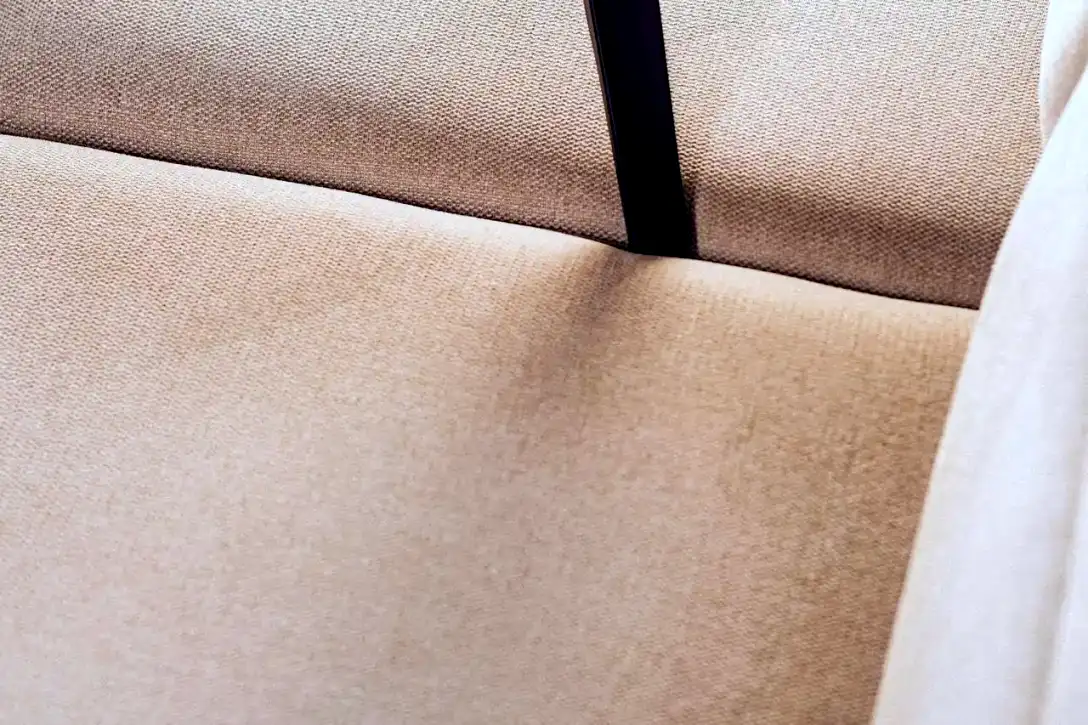
Work generally starts by inspecting each room in turn, looking at mattress seams, box springs, frames, headboards, bedside tables and baseboards. What it finds should define the job before a price is mentioned, so ask which rooms it takes in and what it looks at.
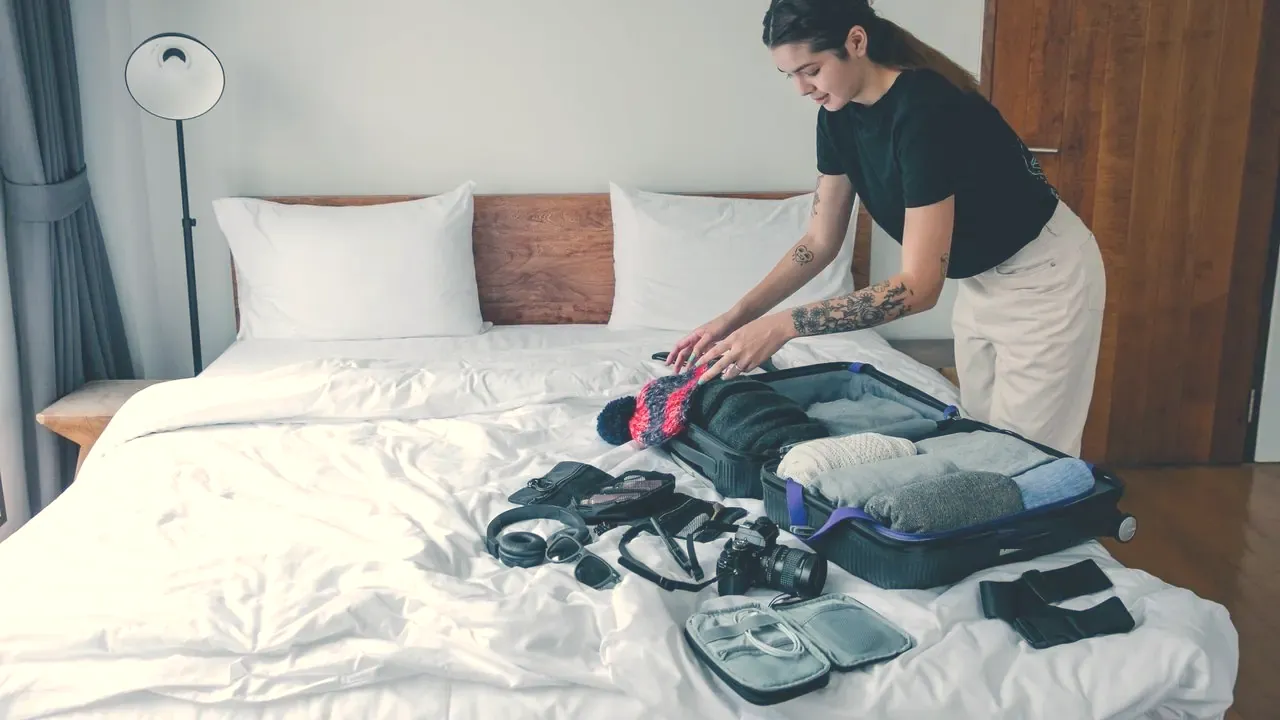
The provider will usually hand you a prep list. Typical items: wash clothing and keep it sealed in bags, clear floor space, move beds clear of the walls, and remove items heat could harm, like candles, medications, electronics and spray cans. If the provider's sheet says otherwise, follow it and ask questions.
In each room being treated, the crew typically positions electric heaters, circulation fans and remote probes. Doorways may be closed off and cool spots marked before temperatures start climbing. The layout of your home decides how long setup takes, so ask about it.
Rooms climb to the provider's chosen temperature and stay there for as long as size and clutter require, in the provider's judgment. Remote probes show the corner readings so doors can stay shut and heat is not lost. Ask what hold time is planned for your rooms.
When temperatures drop back to normal, the provider may go over the original hot spots again, put out monitors and suggest mattress and box spring encasements. A follow-up check for fresh signs a few weeks later may be planned; ask what the plan is if bugs are found then.

Matched to each room's size and placed so heat spreads evenly, which keeps any one spot from getting hot enough to damage artwork, electronics or wood finishes.
Aimed at baseboards, gaps in walls and the underside of mattress seams, both ahead of time and while heating runs, to spot areas that are heating up more slowly.
Each probe goes in the spot that is slowest to warm, and its readings show whether the room is holding heat while the doors stay shut.
A flashlight, a hand lens and a thin card cover most of the search; ask what other tools the provider brings and how each find is confirmed by eye.
A handheld tool for close work on seams, sofa piping and bed frame joints, frequently paired with room heat.
Ahead of the heating, a provider may vacuum seams, cracks and baseboards to pull up live bugs and debris rather than spread them around.
Set under the legs of beds and along baseboards after the job, they catch bugs that are still active and guide the return visit.
This is the heart of the method: the room reaches the provider's chosen temperature and stays there for the time they decide. Corner probes help confirm the heat has spread to the edges of the room and into furniture, not just the middle.
A room is not finished until walls, furniture and mattress seams have been checked for areas that lagged behind. Those can get extra heat or a pass with steam. Ask how the provider proves every spot reached the target.
Zip-up mattress and box spring encasements keep any survivors trapped inside, while cups placed beneath each bed leg stop bugs from climbing up again. Together, they let the household keep a simple watch for activity over the months following the heat.
After the heat, a provider may apply a residual product along cracks, baseboards and the edges of wall voids. New York's DEC certifies the people who apply such products. Ask what will be used and in which spots.
The provider can inspect, confirm live activity and say whether heat suits the unit. Where a building has several units, the owner or management may need to join the plan, because bugs can travel to the apartments above, below or next to yours. Notify the landlord in writing, log dates and take photos, and complete the prep steps.
A provider might heat the half with activity and check the dividing wall from both sides. Ask how they will show that heat got into the cavity where bugs travel. Monitors placed along that wall then reveal whether either household still has activity.
A provider may propose heating the bedroom while the dresser stays put, then placing interceptor cups beneath the legs and covering the mattress and box spring with encasements. After looking the piece over, the provider can say whether it is worth keeping. The cups act as an early warning if activity returns.
The provider may look over the room or work area, treat the affected spots and check the nearby spaces too. Ask for timing that keeps guests and staff out during the work. Because the Onondaga County Health Department says bed bugs travel in bags and luggage, also ask how neighboring rooms will be checked.
Syracuse housing affects how heat work is planned. Half the city's homes date to 1948 or earlier; about two in three units date from before 1960 and 85.5 percent from before 1980, so providers regularly work in older rooms where even heating takes planning. About 58 percent of occupied homes are rentals, and 27.9 percent of housing units are located in buildings holding five or more units, where neighbors share walls and utility chases, which is why a provider may ask about adjoining apartments and set monitors in the hallways. The Onondaga County Health Department says bed bugs get carried around in bags and luggage. Bed bugs stay active indoors all year, so no slow season is worth waiting for. Calling this line links you with a nearby independent provider, who then schedules a time to inspect.
Tipp Hill is an official City of Syracuse neighborhood in ZIP 13204. Ask how heat will be spread evenly through each room.
Strathmore is an official city neighborhood in ZIP 13207, on the south side of Syracuse. Cleared floors and closets let heat move more freely.
Westcott and University Hill are in ZIP 13210. After the inspection, ask which rooms actually need heat.
Salt Springs and Meadowbrook are in the Syracuse part of ZIP 13224. When several homes or units are involved, ask how the visits will be arranged.
Living indoors with people, bed bugs stay active in every month. The county health department notes they travel in bags and luggage, which is how trips and moves spread them.
Openings for pipes and wires connect apartments. A provider may inspect those routes and place hallway monitors so a freshly heated unit is not reinfested.
When closets are stuffed and floors covered, air cannot move and parts of the room heat slowly. The provider still checks the coolest spots before the room is called done.
With about 58 percent of Syracuse homes rented, leases turn over and used furniture changes hands often. Inspect pieces before carrying them in, and tell the provider about recent moves or purchases.
Two mattresses and the baseboards of a rented apartment show live bugs. The landlord has sprayed twice, and still fresh bites appear a few weeks after each round. With a wall shared next door, the neighboring unit may be part of the problem.
Likely approach: inspection first, then heat in both bedrooms and the living room, with probe readings at the baseboard gaps to confirm they reached temperature, and monitors left behind. The return visit tells whether activity remains.
After that: Zip-up mattress and box spring covers, an interceptor cup beneath every bed leg, and monitor checks spaced as the provider advises.
Three family members are waking with bites, and bugs have been found in a dresser bought secondhand. Because a baby lives in the home, the parents hope to keep chemical use to a minimum. Signs turn up in a hall closet and two bedrooms.
One likely plan is heat for both bedrooms and the closet, the dresser treated where it sits, and readings taken in the coolest corners. Raise the baby on the call; the provider can then explain which products, if any, they would apply.
After that: A monitor for each bedroom, interceptor cups under the legs of the crib and beds, and a return inspection when the provider sets one.
During one week, tenants in two units of a small rental building report bites. The owner thinks a shared plumbing chase lets the bugs pass between the units, and spraying alone in an earlier treatment did not end the complaints.
A provider may suggest treating both units together and inspecting the building's other units. Ask what proof the provider gives that heat got into the shared chase. The return check indicates whether the complaints should end.
After that: Monitors placed in all units and the common hallway, with encasements on mattresses the provider points out.
Bed bugs rarely keep to one room; they travel along seams, outlets and shared walls. Common situations include these four, each with a note on where heat may fit.
Eggs that live through a spray hatch into a new wave of bugs, and the county health department says it will take repeated treatments. With the provider's target held long enough, heat is intended to reach eggs and adults. Ask whether your plan also adds a residual and a return check.
Treating just one apartment can drive bugs next door via shared walls and plumbing chases. In Syracuse, 54.6 percent of housing units belong to buildings holding two or more units, and the county health department says bed bugs can move through walls, floors and ceilings. A provider may inspect the units next door and place monitors in the hallway.
One used sofa or dresser can introduce bugs to a clean home, and a spray on the fabric may not reach the hollow frame where they settle. Heat passes through upholstery and joints. A provider may heat the item right where it sits or use a heat chamber, and then set interceptor cups beneath its legs.
A family member with asthma or allergies, or a newborn, can make people hesitate over sprays, and every week of delay lets bed bugs spread. Heat may lower the amount of product needed, though a residual is still common. Let the provider know of any health concerns, and they can describe what will be applied and how soon rooms are safe to use.
Set by the provider once the home is inspected
No figures appear on this site; the provider sets the cost after a visit to the home. The main factors are room total, clutter, furniture, how long bed bugs have been present and whether nearby units are involved. Heat tends to mean a single larger visit, whereas a chemical plan may stretch over several, so have the provider lay out both totals for comparison. Before agreeing, ask exactly what is included, return visits too.
Ask what the quote includes, for example the inspection, the heating, follow-up checks and a return visit, and whether encasements or residual product cost extra.
Every room needs heaters, probes and its own hold time, so a studio or small apartment requires less than a big multi-bedroom house with an attic room, where the job uses more gear and more hours.
Where belongings are piled up, air stalls and cool pockets form. Full closets, cluttered floors and stuffed under-bed space may mean extra heaters or a longer day. Finishing the prep sheet beforehand keeps the job on schedule.
Bugs in one unit can travel to the next through shared walls, floors and ceilings. Bringing more units into the job enlarges it, so check with the provider and the building owner on how the units are chosen.
Every mattress, box spring and upholstered piece has to be positioned for heat to pass through it, which adds setup and checking time. Encasement covers are commonly priced per item.
A walk-up apartment or a long carry from the parking spot adds time to bring heaters and cords inside. Ask if access affects the price so nothing about the day catches you off guard.
This site only refers calls; it does not perform pest control itself. In New York, the Department of Environmental Conservation certifies pesticide applicators and registers pest control businesses; before treatment starts, ask for the provider's DEC business registration and the applicator's certification number, and check both in DEC's NYSPAD lookup. The Onondaga County Health Department recommends a licensed pest control operator with bed bug experience. For a Tipp Hill house or a Strathmore apartment, ask how the heat job would be sized and laid out.

A live bug on a child's mattress, weeks after the last treatment, leaves the renting parents unsure of the next step. A provider would typically check every bedroom, lay out the scope and cost, and explain how heat could be arranged in an apartment that shares walls with other units. Expect a prep list plus discussion of a return visit.
Tenants in two units of a small building report bugs to their landlord. A provider may propose heating both units in a single visit and inspecting the others. Good questions for the landlord: how heat inside the shared walls will be confirmed, and how each tenant will get the prep instructions.
An apartment renter who has asthma hopes to keep chemicals to a minimum. A provider can say if heat suits the unit, whether any product may be applied after it, and how soon the rooms can be used. The first step should be a written report of the problem to the landlord.
Pets are safe only if they are out of the home during the cycle: heat leaves nothing behind, yet the treated rooms become much too hot for any animal. Providers may ask that pets, houseplants and aquariums leave the home for the full cycle. If a residual product follows the heat, find out which one it is and how soon pets may return, then stick to the provider's timing.
There is no fixed number; room count, clutter and furniture set the length. A heat job often fits in one working day, while bigger homes run longer. The day moves from setup to the heat-and-hold stage, the core of the work, and ends with cooling. Ask the provider for an expected time window when the visit is arranged.
When the temperature is kept up long enough, heat can get to eggs along with adult bugs. Eggs lodged deep in frame joints and seams are hardest to reach, and the Onondaga County Health Department says it will take repeated treatments, so a provider may add a residual, encasements and a return visit. Ask how they confirm heat reached those spots.
The provider decides it after an inspection, weighing room total, clutter, furniture, how long bed bugs have been present and whether adjoining units are involved; this site gives no figures. Ask what the quote includes, return visits too, so you know the full cost at the outset.
Have a question this page skips? A local provider reached through the referral line can talk it over with you.
Ask the providerHeat work begins with an inspection that covers mattress seams, box springs, frames and gaps in walls. The findings decide how large the treatment is and what it costs, so ask what the search includes.
View service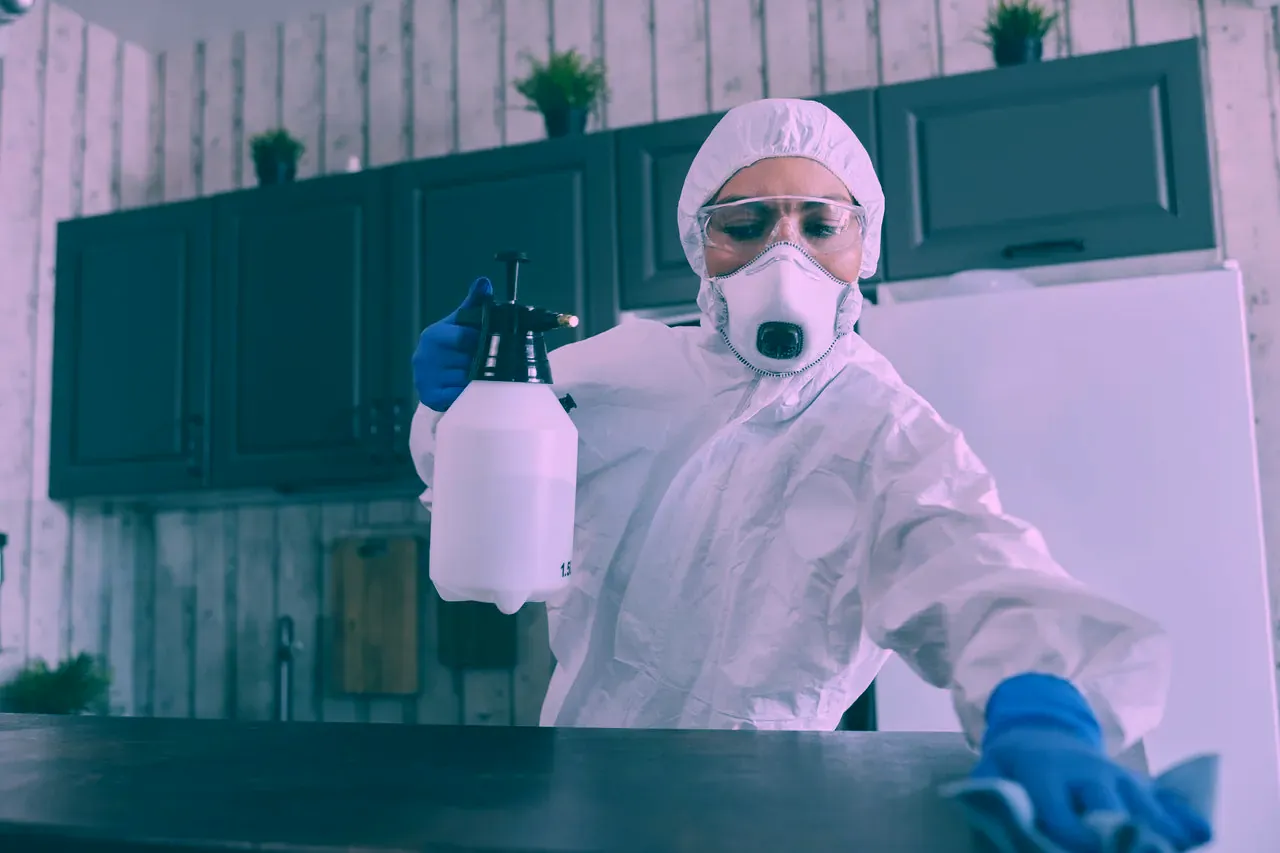
Residual products applied along cracks, baseboards and the edges of wall voids may be used for a light infestation or as a follow-up after heat. The county health department says it will take repeated treatments, one reason methods are combined.
View service
Apartment buildings throughout Syracuse, from Tipp Hill to Strathmore, need treatment that is coordinated so bugs cannot come back by way of shared walls. A provider may heat the unit where activity started, check the apartments next to, above and below it, and leave monitors behind.
View service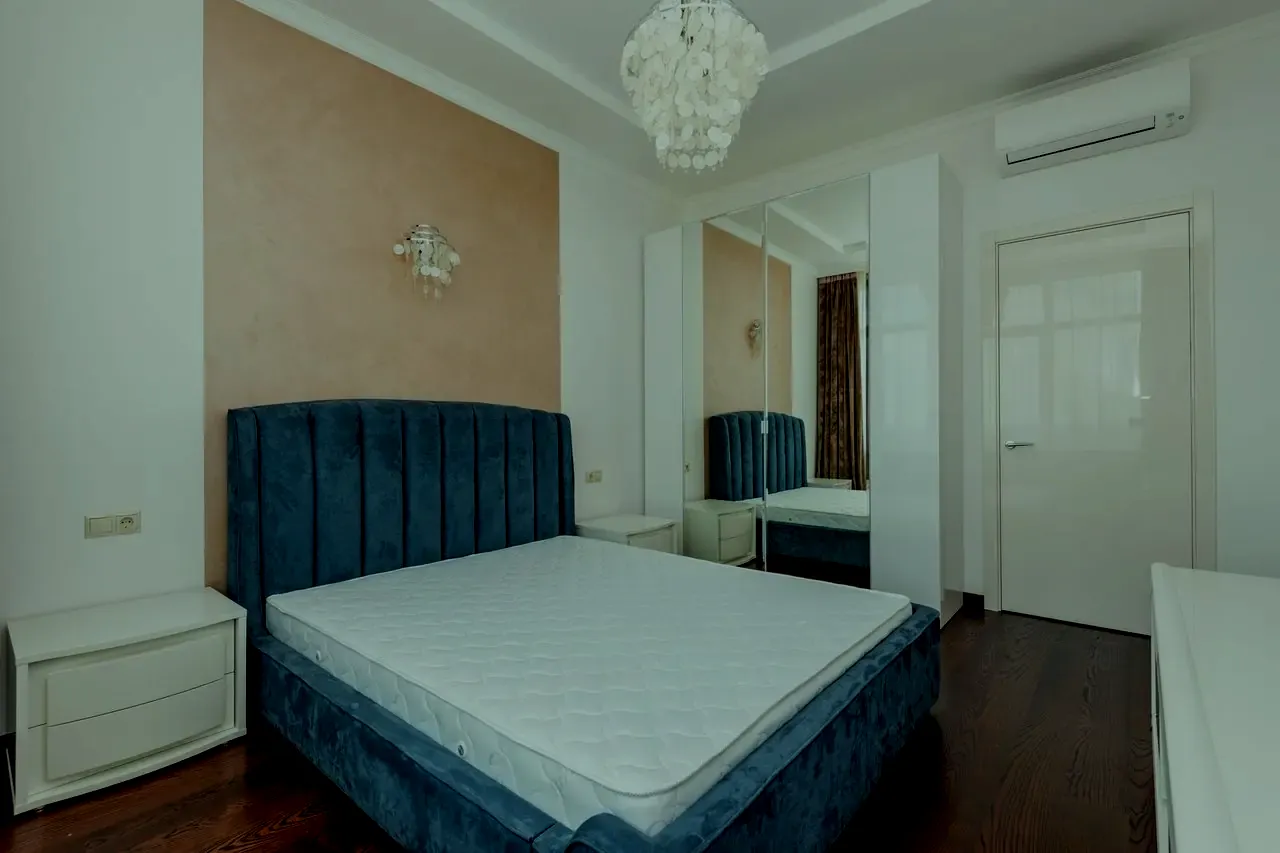
Coming back a few weeks after the heat lets the provider look again at the original spots and check the monitors, which can indicate whether the infestation is over. Ask how the provider proceeds if bugs are still alive.
View serviceYour call passes through a call-tracking service, may be recorded, and is then put through to an independent provider that works in Syracuse. Calls are connected 7 a.m. to 1 a.m. Eastern Time (8 a.m. to 2 a.m. during daylight saving time). Outside those hours you can leave details for a call back. The provider arranges the inspection and sets the price.